
Your First Cruise: Everything You Need to Know Before You Sail
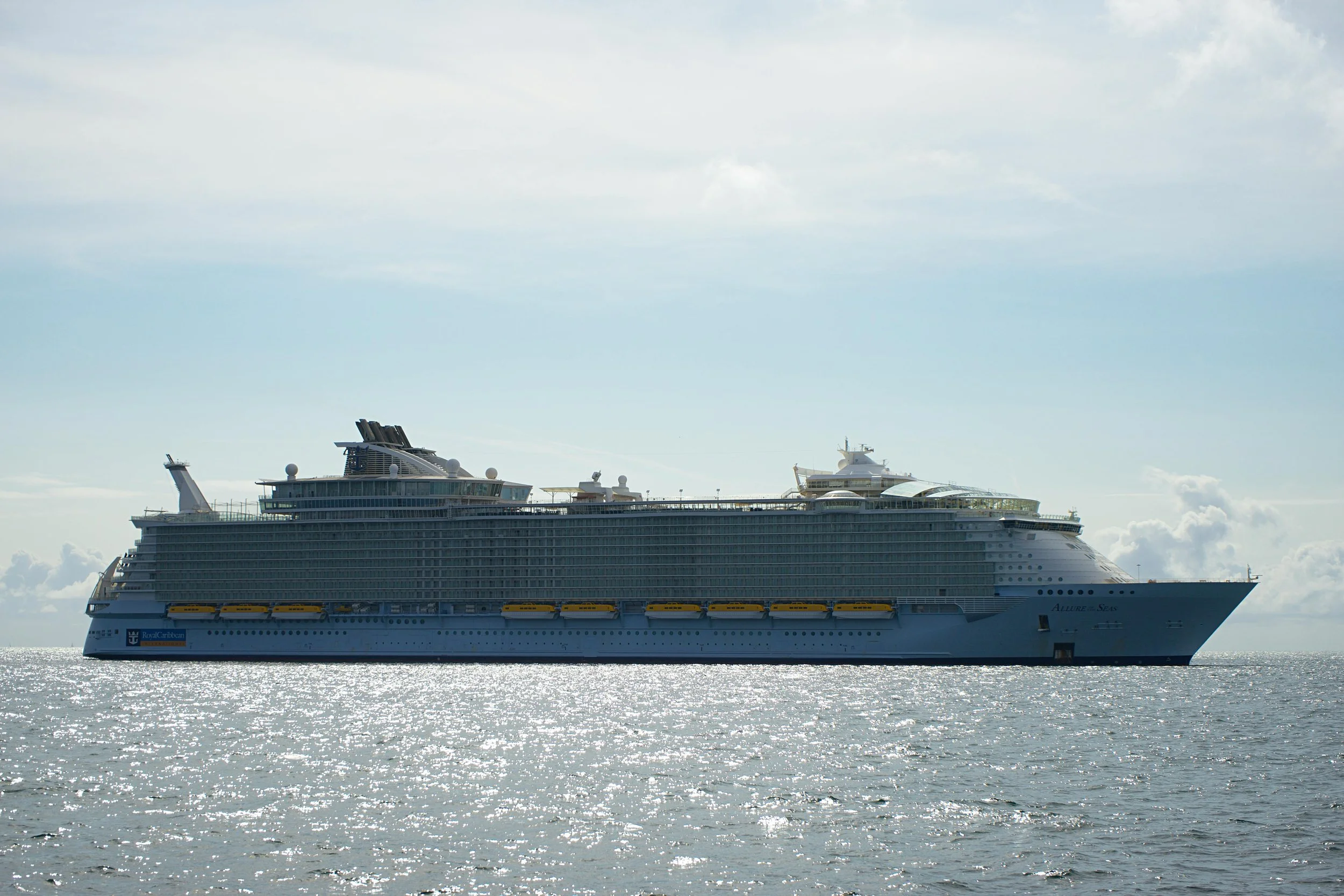
Thinking about taking your first cruise but not sure where to start? You're not alone. Cruising can feel overwhelming when you're new—different cabin types, mysterious cruise lingo, packing lists that seem endless. But here's the truth: once you understand the basics, cruising becomes one of the most relaxing and rewarding ways to travel.
This guide will walk you through everything you need to know to approach your first voyage with confidence (and excitement).
Why Cruising Might Be Your New Favorite Vacation Style
Multiple Destinations, One Suitcase: Wake up in a different port almost every day without the hassle of packing and unpacking, finding new hotels, or figuring out transportation. Your floating hotel goes with you.
Unbeatable Value: Your cruise fare covers your room, most meals, entertainment, and transportation between destinations. Compare that to booking hotels, restaurants, and flights separately—cruising often wins.
Truly Something for Everyone: Whether you want to lounge by the pool with a book, scale a rock wall, catch a Broadway-caliber show, or let the kids loose in supervised clubs—it's all there. Cruises work beautifully for families, couples, solo travelers, and friend groups.
Decoding Cabin Types: Which One Is Right for You?
Choosing your cabin is one of the biggest decisions you'll make. Here's the breakdown:
Inside Cabins: No windows, most budget-friendly option. Perfect if you plan to spend most of your time exploring the ship and ports—you're just sleeping here anyway.
Oceanview Cabins: A window (or porthole) brings in natural light and ocean views. Great middle-ground option for those who want a view without splurging.
Balcony Cabins: Your own private outdoor space for morning coffee, sunset watching, and sea breeze. Absolutely worth it for scenic routes like Alaska or the Mediterranean.
Suites: Maximum space with separate living areas, priority boarding, and premium perks. If it's a special occasion or you value extra space, suites deliver.
Cabin Location Pro Tips:
Mid-ship cabins: experience the least motion (important if you're prone to seasickness)
Avoid cabins directly below: pools, nightclubs, or the gym unless you're a heavy sleeper
Lower decks: are more affordable but may have obstructed views or lifeboats blocking your window
What's Actually Included in Your Cruise Fare?
Included:
Your stateroom for the entire voyage
Main dining room meals and buffet (breakfast, lunch, dinner, and late-night snacks)
Most entertainment—live shows, movies, activities, and performances
Pools, hot tubs, fitness center, and sports courts
NOT Included (But Available for Purchase):
Alcoholic beverages, soda, and specialty coffees (though drink packages are available)
Specialty restaurant dining (steakhouses, sushi bars, Italian venues)
Shore excursions at ports
Spa services, salon treatments, and Wi-Fi packages
Gratuities—automatically added daily to your onboard account (about $14-16 per person per day)
Think of it this way: you'll never go hungry or bored on a cruise ship without spending extra. But if you want premium experiences, they're available.
Embarkation Day: How to Start Strong
Your first day sets the tone for the entire cruise. Here's how to make it smooth:
Arrive at the port 2 hours before departure – Security and check-in take time
Check large luggage curbside – Porters will deliver it to your cabin later (bring tip money)
Pack a carry-on with swimwear, medications, travel docs, and valuables
Grab lunch and explore while your cabin is being prepared
Attend the mandatory muster (safety) drill – Required before the ship can leave port
Make dinner and specialty restaurant reservations early – Popular spots book up fast
Pro tip: The main buffet is open on embarkation day, so you can start enjoying the food immediately!
Shore Excursions: Cruise Line vs. Going Solo
Cruise Line Excursions: More expensive but come with a major perk: if the tour runs late, the ship waits for you. Tours are vetted for safety and quality, and they're stress-free.
Independent Exploration: Often more affordable and flexible. Many ports are walkable, and you can explore at your own pace. Just watch the all-aboard time like a hawk—the ship won't wait if you're late.
My recommendation: For your first cruise, book at least one cruise line excursion to ease into things. As you gain confidence, you can venture out independently on future sailings.
Money Matters: How Spending Works Onboard
Your cabin key card doubles as your onboard charge card. Every purchase—drinks, excursions, spa services—goes to your account and is settled at the end with a credit card. No cash needed onboard.
Important: Daily gratuities (around $14-16 per person) are automatically added to your account each day. You can adjust this amount at guest services if needed.
For ports: Bring small bills in U.S. dollars for tipping and small purchases. Many Caribbean and Mexican ports accept USD.
First-Timer Packing Essentials
✓ Passport (even for closed-loop cruises—trust me on this)
✓ Cruise documents and boarding passes
✓ Casual daywear and comfortable walking shoes
✓ Dressier dinner outfits for evening dining
✓ Swimwear, cover-ups, and flip-flops
✓ Medications in original prescription bottles
✓ Seasickness remedies (better to have and not need)
✓ Sunscreen, sunglasses, and a hat
✓ Power strip (cabins have limited outlets—this is a game-changer)
✓ Reusable water bottle (fill up at beverage stations)
Answering Your Burning Questions
"Will I get seasick?" Modern cruise ships have stabilizers that significantly reduce motion. Most people—even those who get carsick—don't experience seasickness on larger ships, especially in calm waters like the Caribbean. Bring medication just in case, but chances are you'll be fine.
"What's the deal with dress codes?" Daytime is completely casual—shorts, sundresses, swimwear by the pool. Evenings vary by ship, but most have one or two formal or elegant nights (think cocktail dresses or suits). Participation is optional, though most guests enjoy dressing up. Check your cruise line's specific guidelines.
"Is the food actually good?" Yes! Gone are the days of mediocre cruise food. You'll find diverse options from buffets to elegant multi-course dinners to specialty venues. Most ships accommodate dietary restrictions—just notify them in advance.
"Can I skip formal night?" Absolutely. You can dine at the buffet or casual venues if you prefer not to dress up. No judgment either way.
Ready to Set Sail?
Your first cruise should be exciting, not stressful. With the right preparation and expert guidance, it'll likely become your new favorite way to explore the world—and you'll be planning your second cruise before the first one even ends.
As a cruise specialist, I help first-timers navigate every decision from ship selection to cabin choice to shore excursion planning. My service is completely free to you, and my goal is simple: make sure your first cruise exceeds every expectation.